IL-17A plays a pivotal role in maintaining intestinal mucosal homeostasis. On the one hand, it contributes to mucosal immunity against intestinal pathogens. Blocking IL-17A could, therefore, increase the risk of infectious colitis. On the other hand, it prevents autoimmune and autoinflammatory immune responses and thus mitigating the development of IBD. Nevertheless, IL-17A blockade is highly efficient in a number of rheumatologic and dermatologic diseases, such as PsO, PsA, and AS. Our case observations underscore the risk of colitis, including both autoimmune and potentially infectious forms, in patients undergoing IL-17A-inhibitor therapy. The severity of intestinal inflammation can be substantial and should not be underestimated.
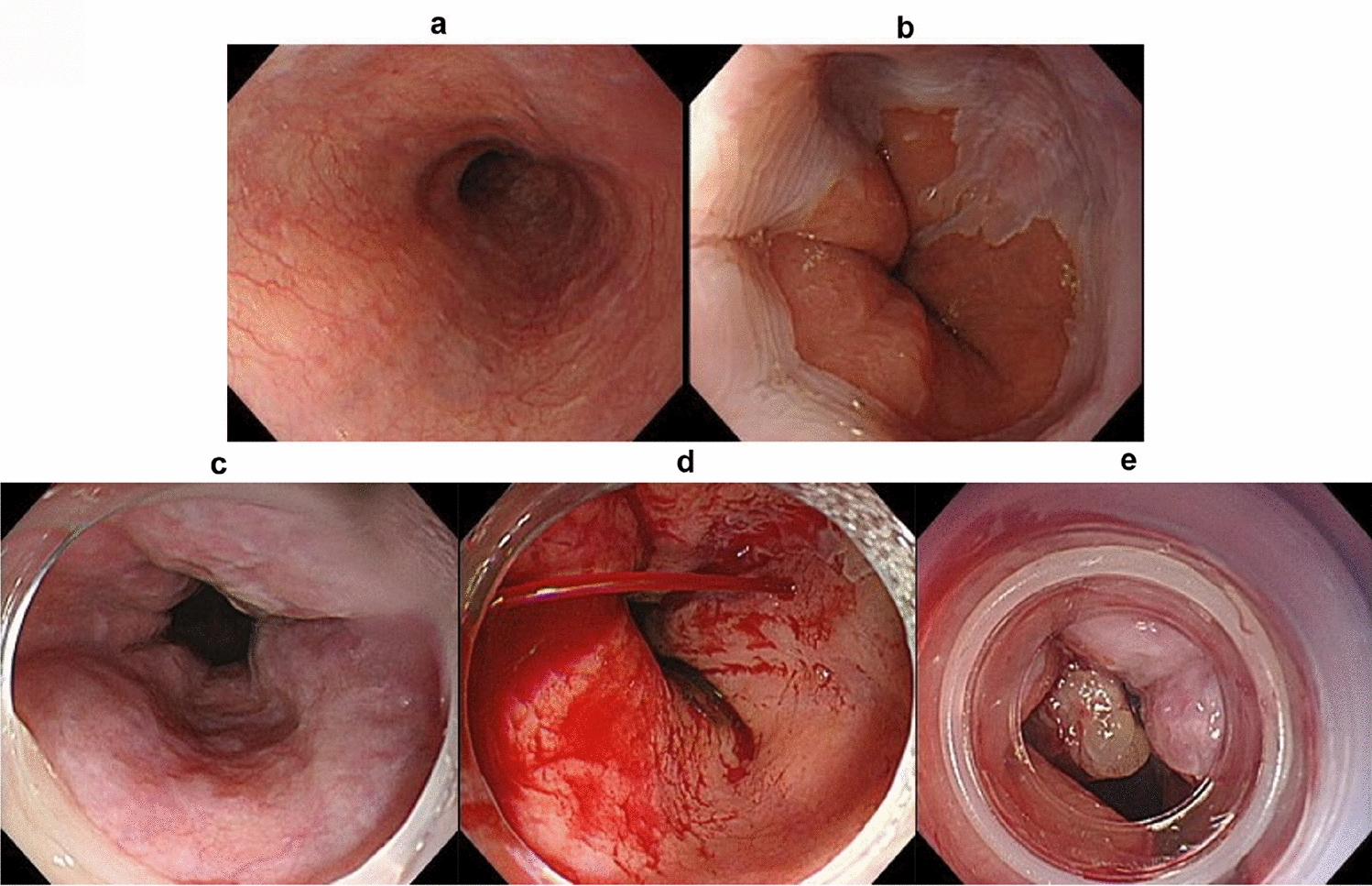
In the first patient, who had a history of SAPHO syndrome, severe colitis developed after 3 months of exposure to the IL-17A inhibitor. This patient had no prior history of IBD and lacked known risk factors (e.g., negative family history and no smoking history). Gastrointestinal symptoms were absent before secukinumab treatment commenced. Extensive diagnostic evaluation did not reveal any other potential causes for these clinical symptoms. An association between IBD and other autoimmune disorders such as thyroiditis [19], celiac disease [14], multiple sclerosis [19], and psoriasis [20] has been reported [21]. The prevalence of IBD in patients with SAPHO syndrome has been estimated to range from 5% [21] to up to 8 to 13% in two previous studies [22, 23]. Therefore, it appears likely that the patient’s baseline risk for IBD was elevated compared to the general population, regardless of exposure to secukinumab.
The question of whether patients treated with secukinumab have a higher risk of developing IBD remains controversially debated [8]. A comparative study indicated that patients with PsA/AS, initiating IL-17A-inhibitor therapy do not have a higher risk of developing IBD when compared to patients initiating etanercept [24]. However, similar cases of new-onset colitis during IL-17A-inhibitor therapy [9, 10, 12, 13, 15] and data suggesting paradoxical colitis activity in Crohn’s disease patients [8] raise concerns. Given the typical overall presentation of the case as well as the new onset of symptoms after recent exposure to secukinumab, a drug-induced etiology of IBD seemed plausible.
In the second patient, the pathogenesis of colitis appears less clear. Possible differential diagnoses include infectious and/or autoimmune colitis, and both underlying pathomechanisms may be favored under IL-17A-inhibitor therapy.
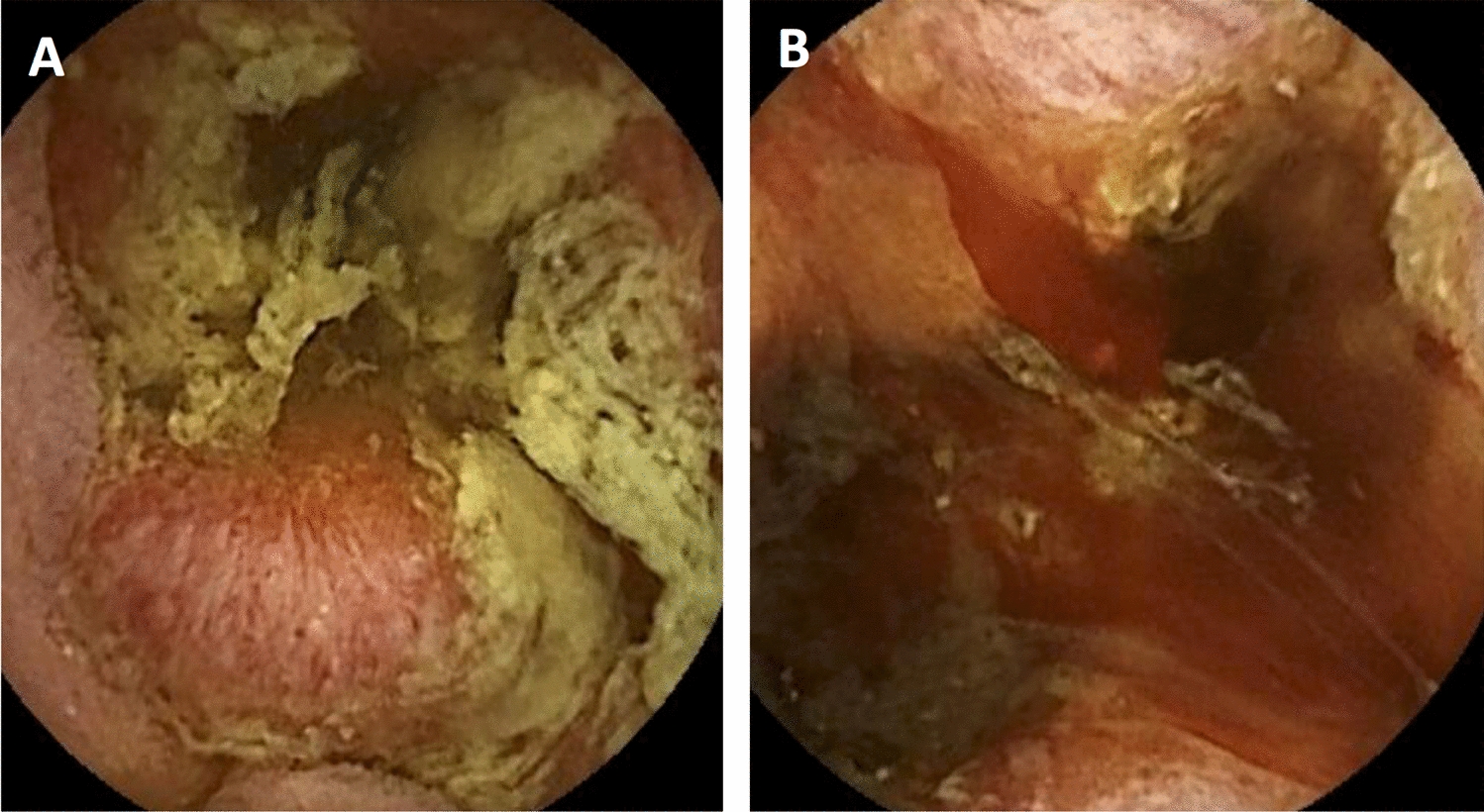
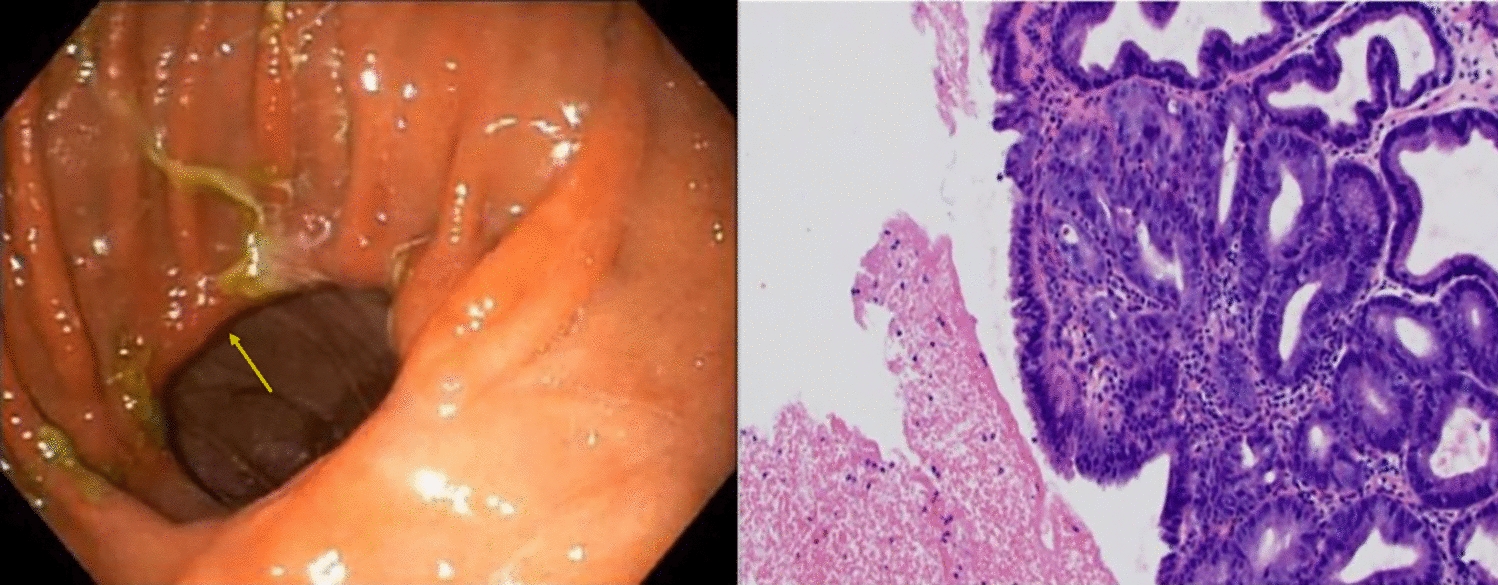
IL-17A's role in maintaining intestinal mucosal homeostasis is multifaceted. In animal models, blocking IL-17A has led to increased intestinal inflammation and compromised epithelial barriers [7, 10]. Multiple studies have shown that IL-17A is particularly crucial for the immune response against extracellular pathogenic fungal and bacterial species [2,3,4,5]. In a mouse model, IL-17 receptor E-deficient mice exhibited not only increased colon pathology and bacterial load during infection with Citrobacter rodentium, but also significantly decreased expression of genes encoding antibacterial peptides and other inflammatory molecules [6]. This resulted in a significantly increased mortality rate among IL-17 receptor E-deficient mice [6]. IL-17F and IL-17A also play essential roles in the immune defence via activation of cytokines of the intestinal epithelium [5]. IL-17A is predominantly produced in T cells, while IL-17F is produced in T cells as well as in cells of the innate immune system, and epithelial cells. Both IL-17F and IL-17A are essential for immune defence against Staphylococcus aureus and Citrobacter rodentium [5]. Therefore, there might be an increased risk for infectious colitis during IL-17A-inhibitor therapy. In our patient, macroscopic findings suggested IBD, while the microscopic findings from endoscopic examinations suggested primarily infectious colitis. The patient’s symptoms improved after discontinuation of ixekizumab and therapy with adalimumab. However, as some symptoms persisted, the patient received antibiotic therapy (even though no enteropathogens were detected in an extensive diagnostic search). Eventually, the patient’s symptoms disappeared. Whether the patient recovered due to the antibiotic treatment remains unclear. Several studies have shown that antibiotics cannot only treat bacterial infections but also have a significant immune-modulating impact [25,26,27]. An improvement in the patient’s symptoms after antibiotic therapy does not rule out an autoimmune cause of the symptoms, possibly triggered by the switch in therapy from secukinumab to ixekizumab. Another potential reason might be that an infectious cause, due to an impaired barrier function, contributed to the symptoms. In IBD, impaired epithelial barrier function and increased pathogen accessibility to the intestinal mucosa are common phenomena [28].
The switch from secukinumab to ixekizumab in our patient’s case is notable. In the presented case, the medication was not switched to ixekizumab due to side effects but due to a secondary loss of efficacy. The patient had been treated with secukinumab for several years without developing gastrointestinal symptoms. However, about 6–7 weeks after starting ixekizumab therapy, severe signs of colitis emerged. To the best of our knowledge, there are no reported cases of patients developing colitis after switching therapy from one IL-17A inhibitor to another, such as from secukinumab to ixekizumab or vice versa. In contrast, several studies have demonstrated the safety of switching from secukinumab to ixekizumab [29, 30]. This seems especially useful in difficult to treat patients, who previously failed to respond to secukinumab therapy [29, 30]. The reason for the development of colitis after switching from secukinumab to ixekizumab remains unclear [20]. Even though secukinumab and ixekizumab are both IL-17A-inhibitors, several studies have tried to demonstrate differences between the two drugs [31, 32]. Secukinumab has a longer half-life and is administered at a dosage 3–4 times higher than that of ixekizumab, with peak efficacy occurring approximately 16 weeks after initiation [31]. This results in significantly greater systemic exposure [31]. Ixekizumab has significant higher affinity to IL-17A and IL-17A/F [29, 31]. The increased affinity could account for the lower dosage needed compared to secukinumab [31]. Ixekizumab achieves peak efficacy approximately 12 weeks after initiation [31]. It is clear, that despite both being IL-17A-inhibitors, secukinumab and ixekizumab have distinct pharmacokinetic characteristics [31]. These differences in affinity, specificity, and systemic exposure may significantly impact side effects, and efficacy [29].
In our case, the different affinity to IL-17A and IL-17A/F is particularly interesting, given that IL-17A/F heterodimers and IL-17A homodimers signal through the same IL-17 receptor A/receptor C complex (IL-17RA/RC) [29, 33]. Ixekizumab has higher affinity to both IL-17A and IL-17A/F. The IL-17A/F heterodimer is a cytokine, which mimics IL-17A as well as IL-17F [29, 33]. IL-17A and IL-17F are proinflammatory cytokines that are elevated in patients with IBD. This pharmacological characteristic may contribute to the efficacy of ixekizumab in patients who did respond to secukinumab [29]. Moreover, these differences in affinity could also explain the severe gastrointestinal symptoms experienced by our patient after being switched from secukinumab to ixekizumab. However, a recent databank analysis found that the number of IBD cases that occurred after secukinumab treatment was 10 times greater than that observed after ixekizumab therapy [34]. The authors mention that the number of IBD cases among patients treated with secukinumab and ixekizumab could, in part, be traced back to the different launch dates (January 2015, April 2016) [34].
Possibly, anti-drug antibodies neutralizing the effect of secukinumab might explain the absence of gastrointestinal symptoms during secukinumab treatment and their emergence with ixekizumab. The patient’s treatment was changed from secukinumab to ixekizumab due to a secondary loss of efficacy. Anti-secukinumab-antibodies could have neutralized the effect of secukinumab, preventing the triggering of IBD.
In clinical practice, patients experiencing IL-17 inhibitor-induced IBD typically present with symptoms such as diarrhea, bloody stools, abdominal pain, and fever. These symptoms are often accompanied by elevated white blood cell count, erythrocyte sedimentation rate, C-reactive protein levels, and fecal calprotectin concentration [34]. The majority of new-onset IBD cases have been detected within three months of commencing anti-IL-17 therapy [34]. Individuals with a history of gastrointestinal symptoms or prior colitis episodes, regardless of the underlying autoimmune condition, may be at higher risk [11]. Screening measures such as assessing prior gastrointestinal symptoms and family history of IBD are beneficial, and non-invasive biomarkers like fecal calprotectin may enhance IBD risk assessment.
Currently, there is no clinical guidance for the management of patients with disease flares or new-onset IBD after IL-17 inhibitor therapy [34]. Nevertheless, discontinuation of IL-17 inhibitors has reportedly lead to a substantial improvement of symptoms among patients with IL-17A inhibitor-associated colitis [34]. In the majority of cases, appropriate management has led to symptom resolution within 4 weeks [34].
While IL-17 inhibitors are generally considered safe and exhibit high efficacy in managing PsO, PsA, and AS, it is important to note that rare adverse effects have been documented. These may include new-onset or exacerbation of IBD, although a definitive causal link has yet to be established. Larger prospective studies could help to better understand of the connection between IBD and IL-17 inhibition and the frequency of occurrence of this rare adverse event [11].


Comments (0)